
Children’s health, safety and wellbeing
At Kindy Patch, children’s health, safety and wellbeing are central to our care and education.
This page explains how safety is embedded in daily centre life, from supervision and educator interactions to health routines, incident response and working in partnership with families.
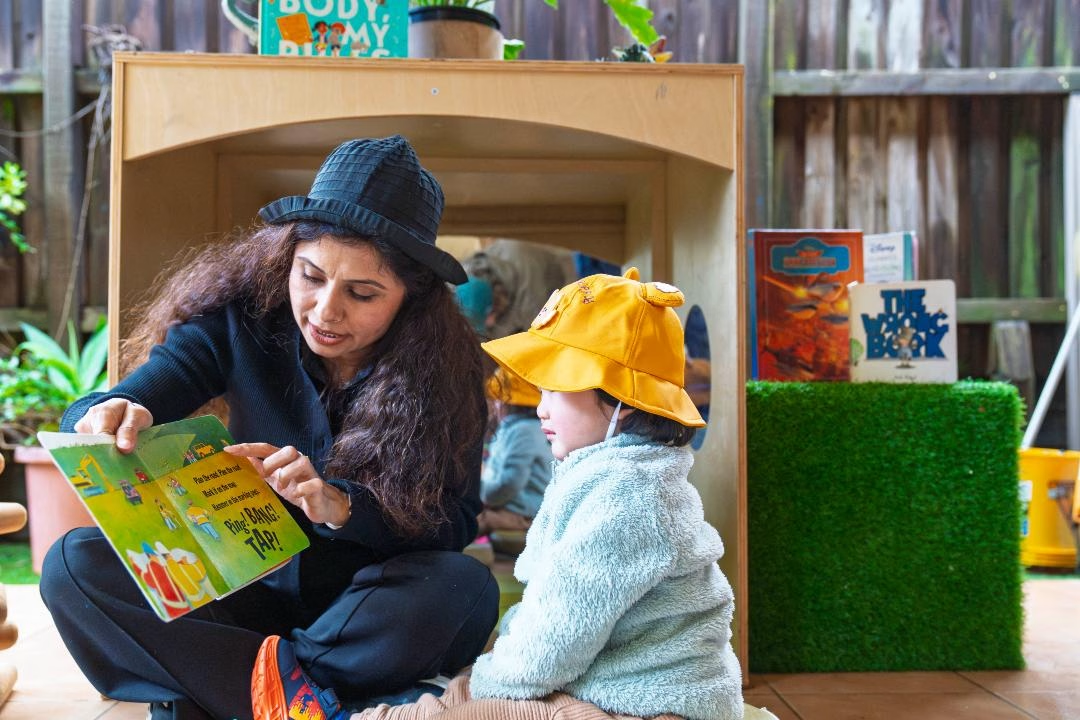
Supervision and relationships
Children at Kindy Patch are educated and cared for in supervised group environments. Supervision is planned across the day, including arrivals, departures, rest times, transitions and outdoor play, to ensure children’s safety.
Educators work together across rooms and shared spaces, with staffing arranged to support children’s learning, development and safety. Team members receive induction, guidance and ongoing professional learning in active supervision so they can identify risks and respond promptly to children’s needs.
Interactions between educators and children are professional, warm and respectful. Educators focus on building positive relationships, supporting children’s emotions and helping children develop confidence, wellbeing and a sense of belonging.
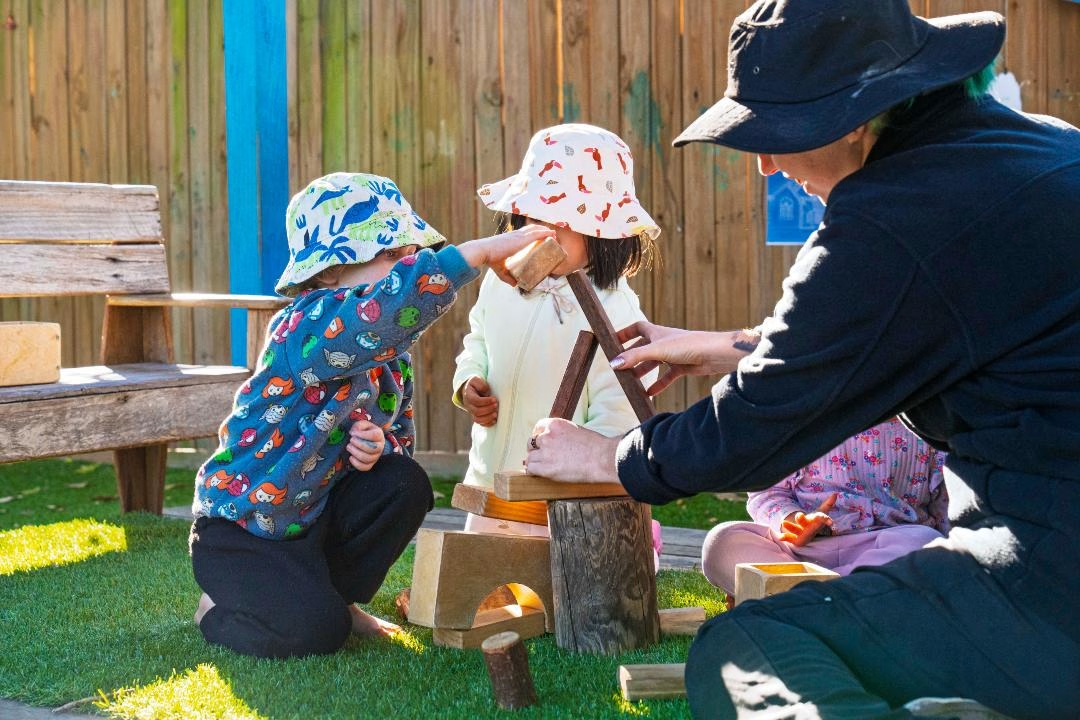
Our team
All educators and teachers must meet the qualification, screening and legal requirements for their role before working with children, and we monitor these requirements throughout employment.
Our educators, teachers and other staff members work within clear roles and responsibilities to support children’s safety, learning and wellbeing.
They:
- Hold appropriate early childhood education qualifications for their role.
- Hold a current Working With Children Check, or equivalent State clearance.
- Receive induction, training and professional learning in child safety, health and hygiene, supervision and relevant legal and regulatory requirements.
- Take part in professional learning on early childhood pedagogy, child development, inclusive practice, reflection and continuous improvement.
- Centre leaders support their teams through clear systems, guidance and collaborative practices that help identify, escalate and respond to concerns early.
Team members follow the child protection and reporting obligations that apply in their relevant State, including mandatory reporting requirements. They also follow clear procedures for identifying, documenting and escalating concerns.
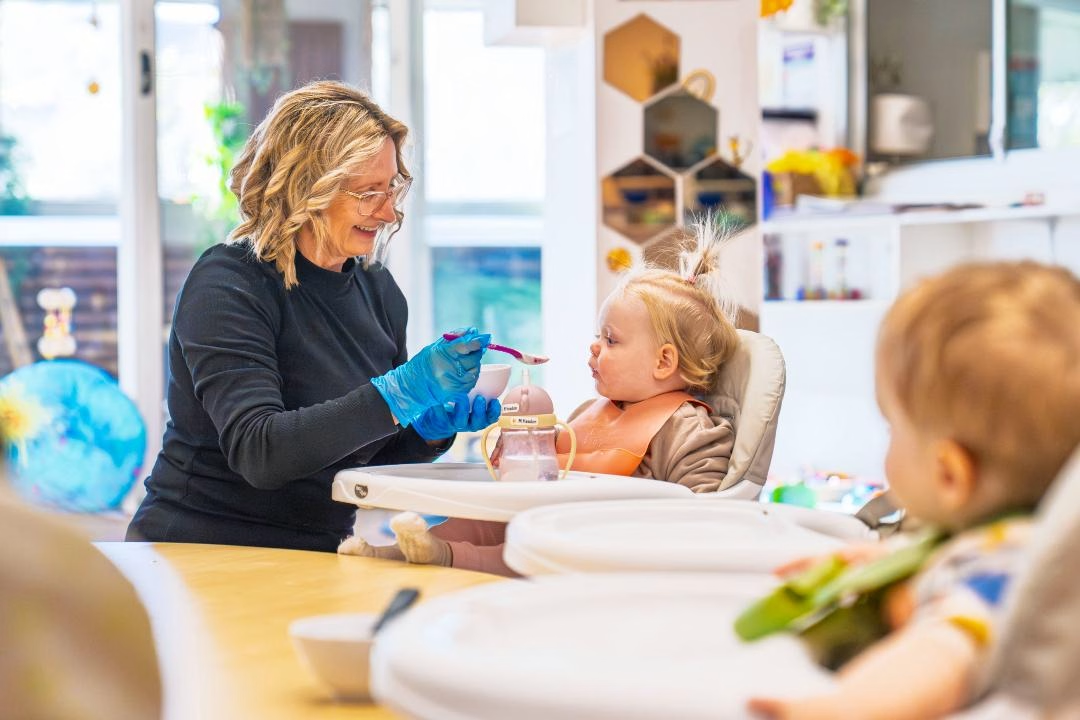
Daily safety and care routines
Policies, procedures and daily practices support arrivals and departures, health and hygiene, and personal care. Children are cared for in safe, well-managed environments, with their dignity, privacy and individual needs respected.
Across our centres:
- At drop off and pick up time, children are signed in and out each day in line with centre procedures so attendance records stay accurate.
- At pick up time, children are signed out in line with enrolment records, authorisations, legal requirements and centre procedures, including identity checks where needed.
- Healthy meals and snacks are safely prepared, stored and served, with care taken to be mindful of individual food needs, sensitivities and allergy requirements.
- Allergies, medical needs, dietary requirements and cultural preferences are supported through documented information and procedures, developed in partnership with families.
- Personal care routines, such as nappy changes and toileting support, are guided by procedures that prioritise children’s comfort and safety.
Families are invited to share and update information about their child’s health, medical needs, dietary requirements and personal care preferences, so educators can provide care that reflects each child’s needs.
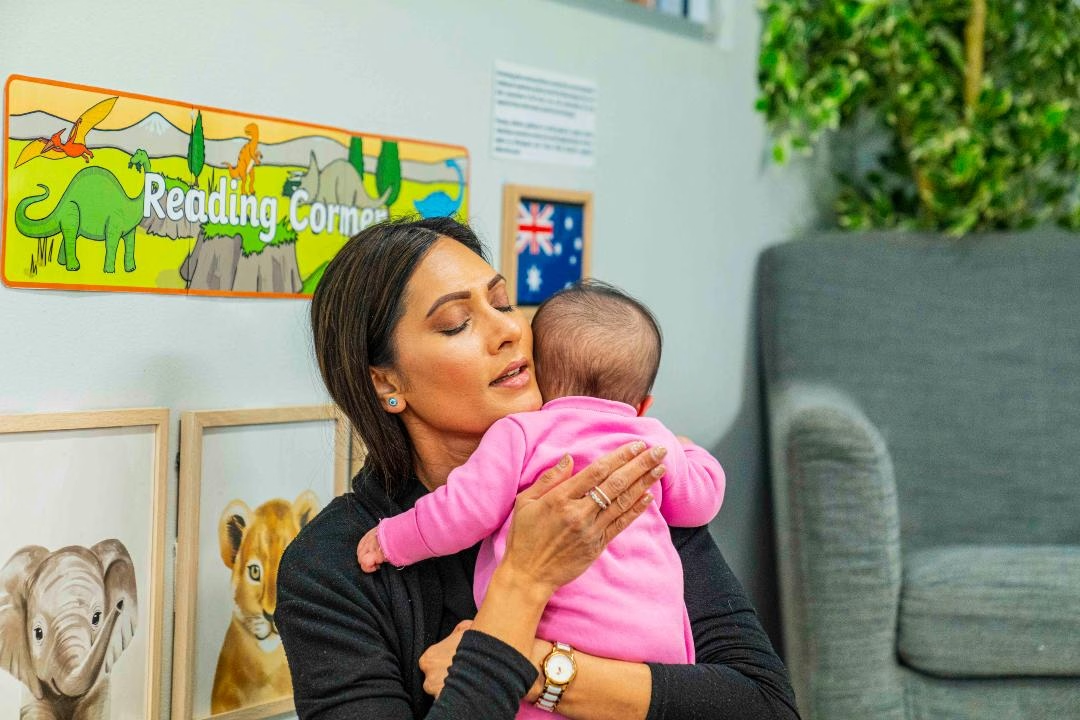
Incident, injury, trauma, illness and emergency response
Children are active, curious and learning how to move their bodies and explore their environment. As part of everyday play, minor incidents such as trips, falls, bumps or scrapes can sometimes occur, even in well-supervised settings.
When this happens, educators follow clear procedures to care for the child, provide comfort and keep families informed. This may include first aid, observation, documentation and communication with families
If a child becomes unwell or needs additional care, families are contacted as soon as practicable. In more serious situations, emergency services are contacted and families are notified as soon as practicable.
If required, centre teams are ready to care for children in any emergency. We ensure our emergency and evacuation plans are easy to see and we practise them regularly so everyone knows what to do if a situation arises.
All team members are trained in first aid, asthma care and anaphylaxis response, helping us keep all children in our care safe and supported at all times.
Outdoor safety, excursions and CCTV
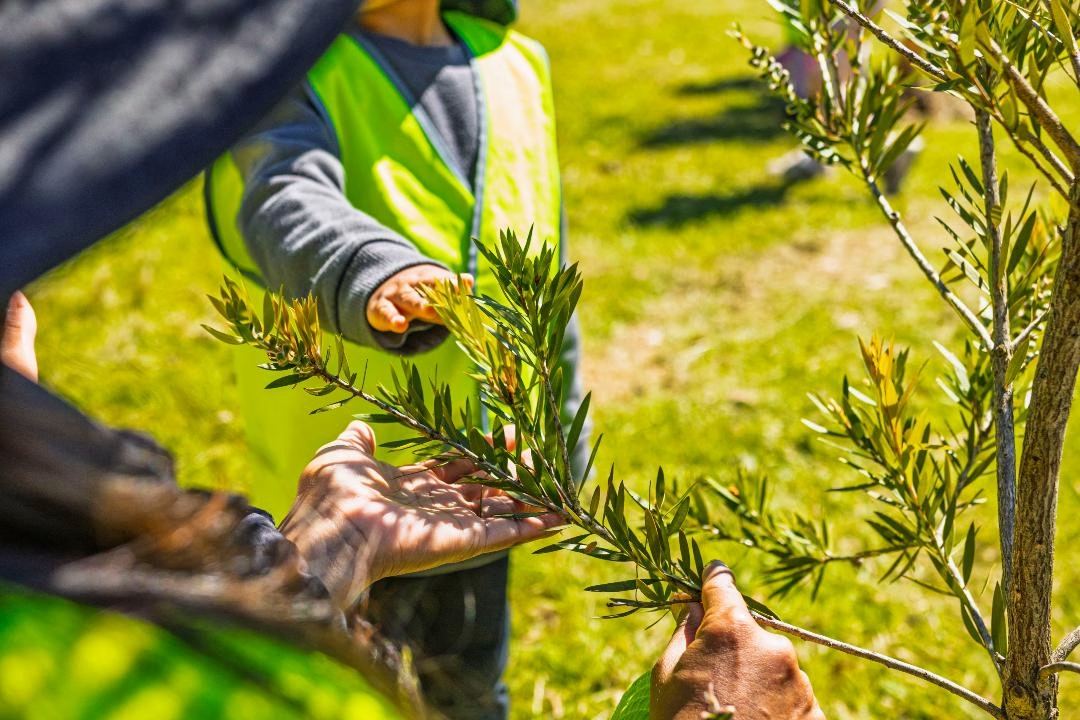
Outdoor play is an important part of every child’s learning, development and wellbeing. Centre teams help manage sun, weather and outdoor environment risks through sunscreen routines, shaded play areas, water breaks, surface temperature checks and outdoor hazard checks.
Any excursions and off-site experiences are carefully planned, with risk assessments, supervision plans and family consent in place before children participate.
As part of our commitment to child safety, we are introducing CCTV across parts of our centre network in stages. CCTV is already in place in some centres and may be introduced in others over time. Where installed, it is used in shared public areas only, does not replace educator supervision, and is managed in line with privacy and surveillance requirements, our privacy notices and internal policies, with restricted access to footage. Learn more about our CCTV program.
Working together with families
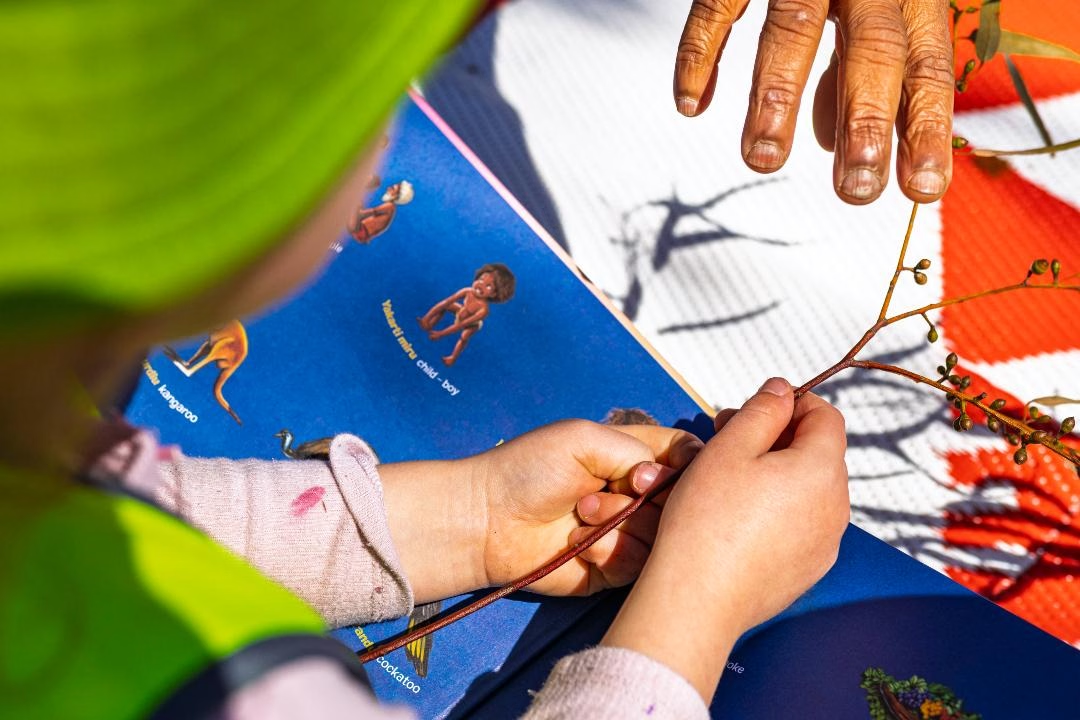
Children’s safety and wellbeing are strengthened when families and educators work in partnership. We value open, respectful communication and recognise the expertise, culture, values and beliefs families bring to decisions about their child’s care, routines and wellbeing.
Families are encouraged to talk with their centre team at any time if something does not feel right, if they would like more information, or if they want to contribute to decisions that affect their child. Concerns are handled respectfully and sensitively, in line with privacy, child safety and legal obligations, with the rights, safety and best interests of the child guiding our response.
Our commitment to children’s safety and wellbeing
Through a strong child-safe culture, clear expectations, well-documented policies and procedures, and ongoing reflection and improvement, we support children’s safety and wellbeing and provide welcoming environments across our centres.
At participating centres, we may also implement body safety programs such as Learn to Be Safe with Emmy and Friends to support children’s personal safety, confidence and emotional wellbeing.
Our goal is to give families clear, practical information about how children’s safety and wellbeing are supported each day through the actions, routines, relationships and systems in our centres.